01
Resolve wallets, signers, and chain context first
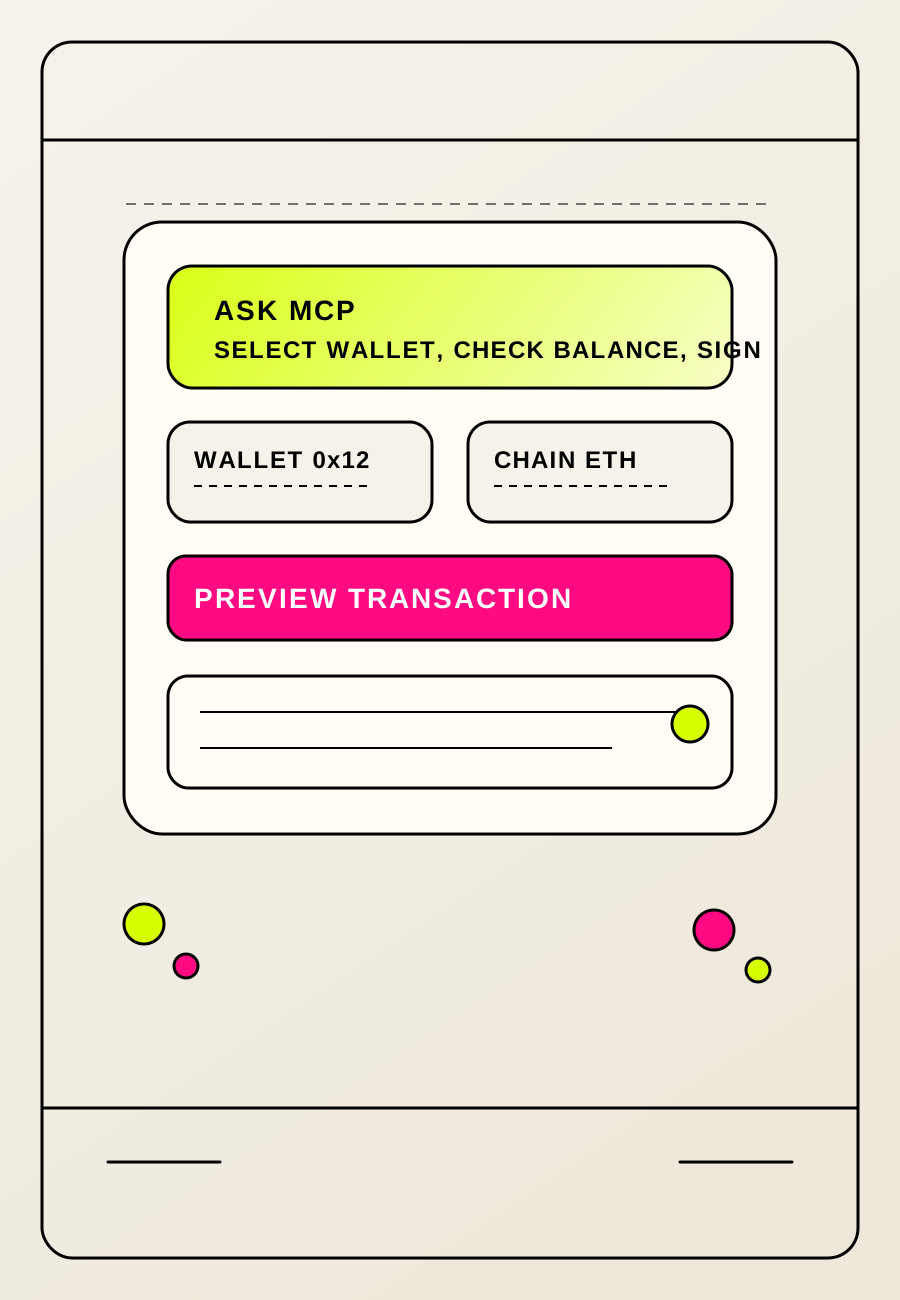
Before composing anything, the agent reads the signer surface, account state, recent approvals, and the active network context.
The operator sees where the agent is about to act.
MCP / Wallets / Chains
Workflow map
The drafting work becomes fast, but the signing threshold becomes easier to inspect instead of harder to understand.
Before composing anything, the agent reads the signer surface, account state, recent approvals, and the active network context.
The operator sees where the agent is about to act.
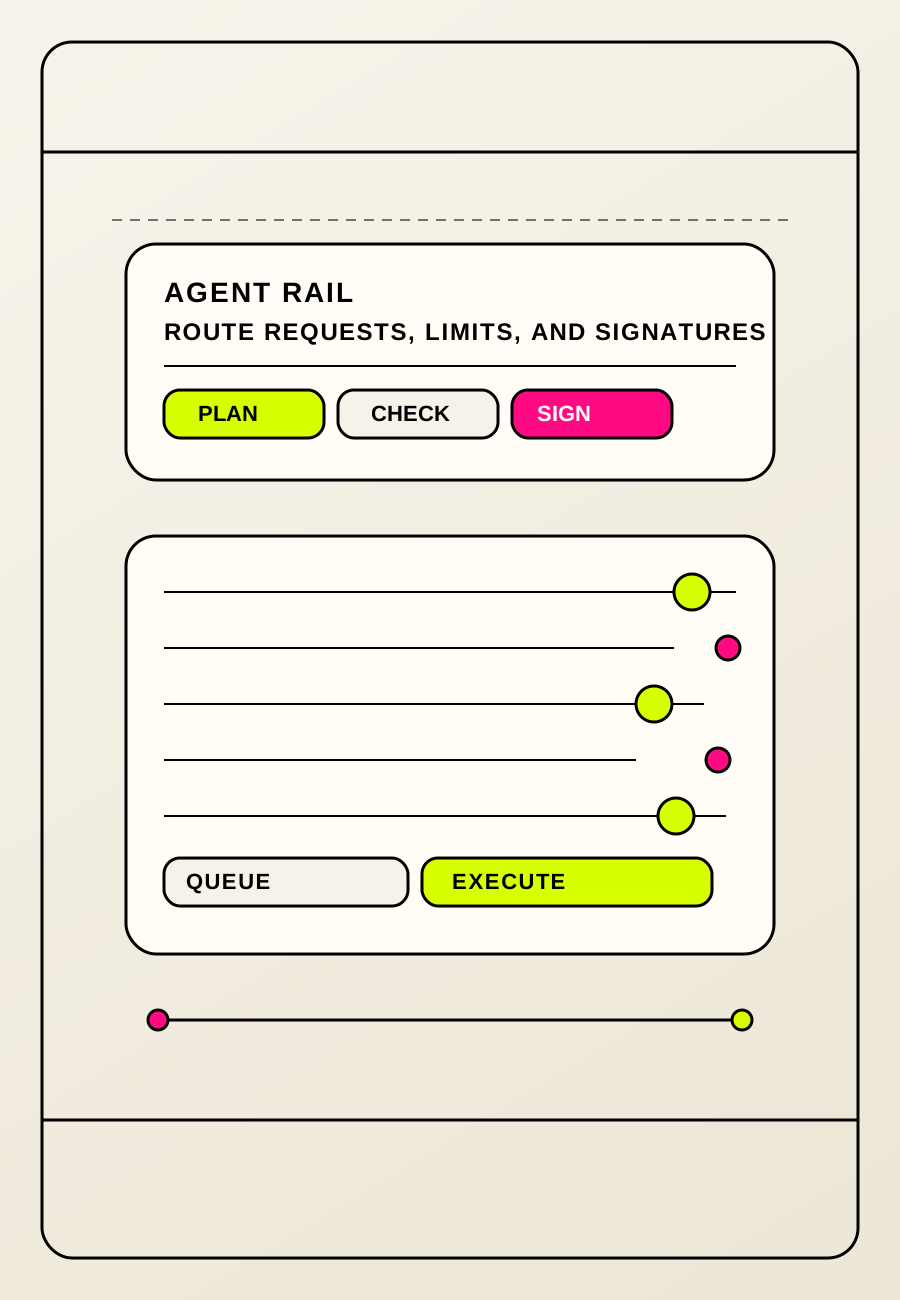
VaultMCP formats the task into a human-legible dossier with route, amount, counterparties, gas estimates, and policy implications.
Speed comes from preparation, not hidden execution.
The system previews wallet deltas, allowance changes, failure points, and post-transaction balance shifts inside one review frame.
Risk becomes something the signer can actually inspect.
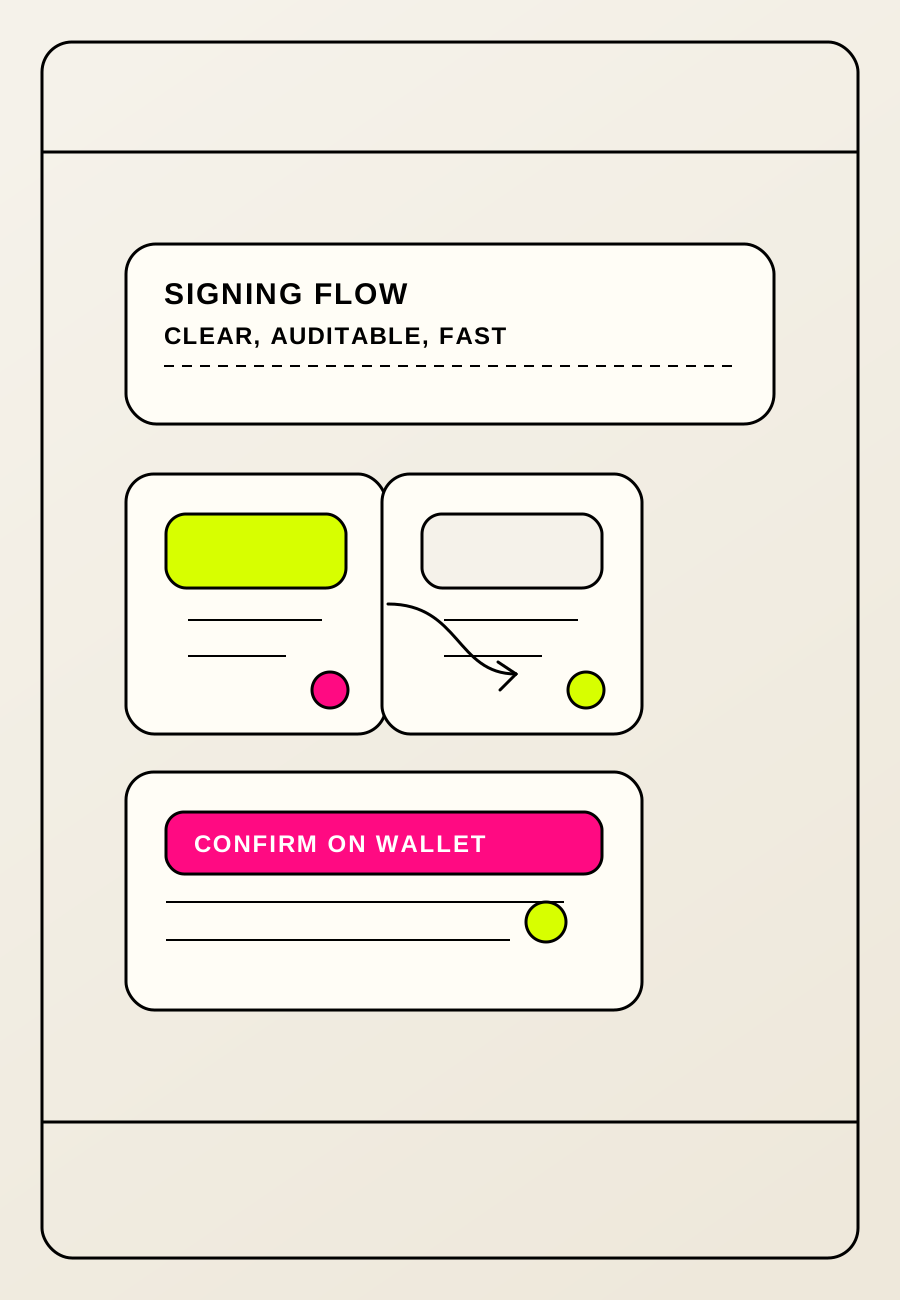
Execution only unlocks after sign-off, keeping authority with the operator while the agent handles the repetitive preparation work.
No silent wallet automation.
Operator dashboard
Every task can be drafted by the model, but authority stays visible: signer status is dominant, and the surrounding context stays readable at a glance.
The final signature never disappears behind the model, even when the drafting work becomes instant.
Live context across treasury and protocol environments.
Wallet state and operator preferences survive between tasks.
Field dossier
Every risky action is turned into a review surface with policy checks, route context, and a trail that teams can actually follow.
Request access ->All pending actions sit in one human-readable review queue instead of scattering across chat threads and wallet popups.
Unlimited approvals, stale spend limits, and risky deltas are flagged before a signer is asked to continue.
Routes are surfaced with chain hops, slippage expectations, and fallback paths so cross-chain actions stop feeling opaque.
Preferred wallets, thresholds, and previous approvals stay coherent across sessions, so the model does not keep relearning the same workspace.
Every request, preview, approval, and final transaction is recorded as a clean operational trail for teams and auditors.
Decision spread
Three operating models create three very different trust profiles. VaultMCP is built for preparation speed without invisible authority.
The difference is not that the agent acts more. The difference is that the signer sees more before acting.
Field manifesto
The product should feel calmer than the risk it handles: context first, proof in view, and execution only after the operator makes intent explicit.
Wallet automation should never hide the moment of risk. Every action gets context before it gets consent.
An MCP layer should feel invisible until it needs to become explicit. The system stays quiet until a decision matters.
Between prompt and signature there must be a visible chain of proof, policy, and simulation that operators can trust.
The future of wallet tooling is controlled acceleration with accountable human checkpoints, not autonomous performance.
Editorial archive
How to let operators talk to wallets naturally without giving AI silent authority over funds, approvals, or bridge routes.
Read system note ->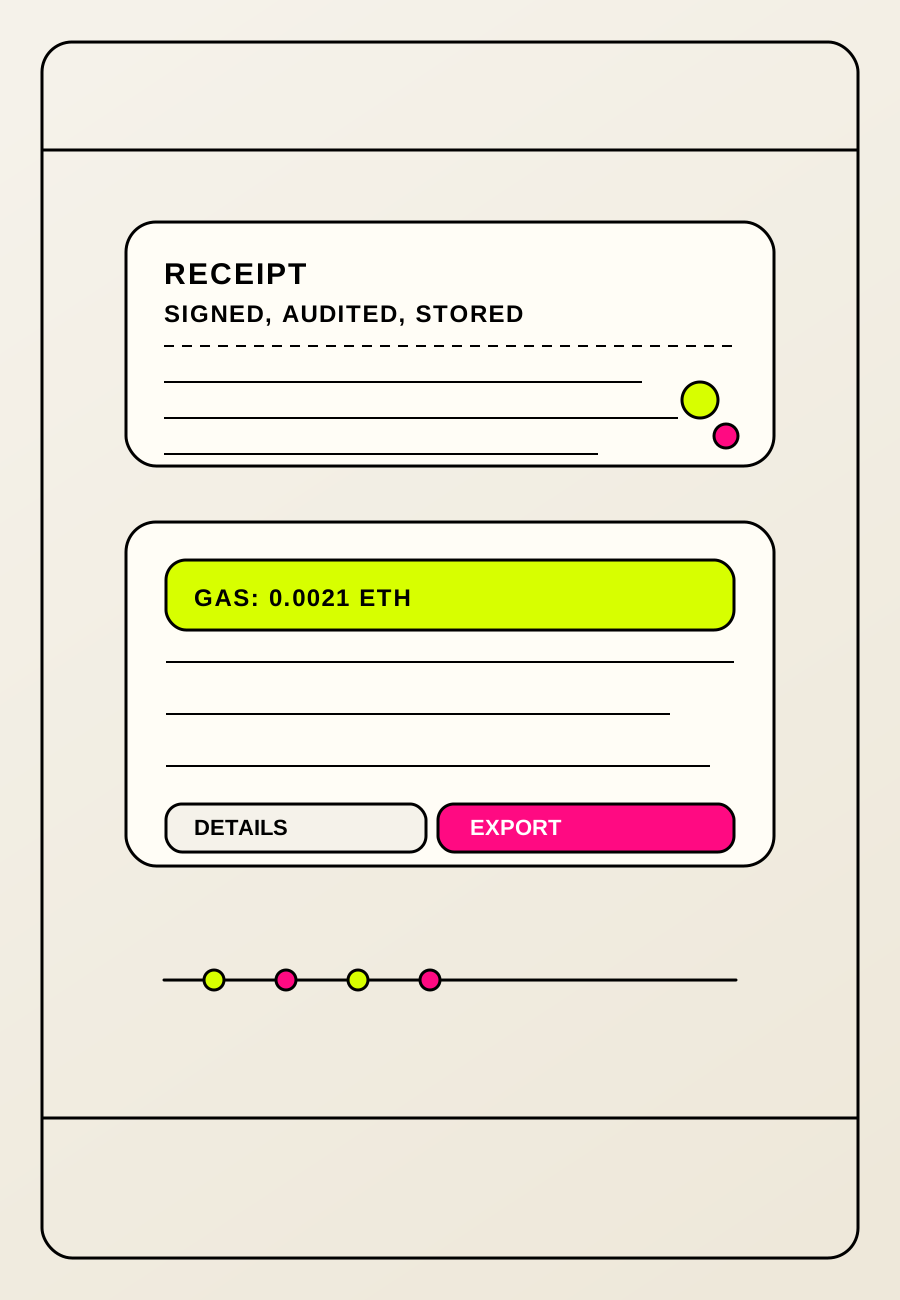
We mapped simulations, policy checks, and signer review into a single visual language so risky actions become impossible to skim.
Read design note ->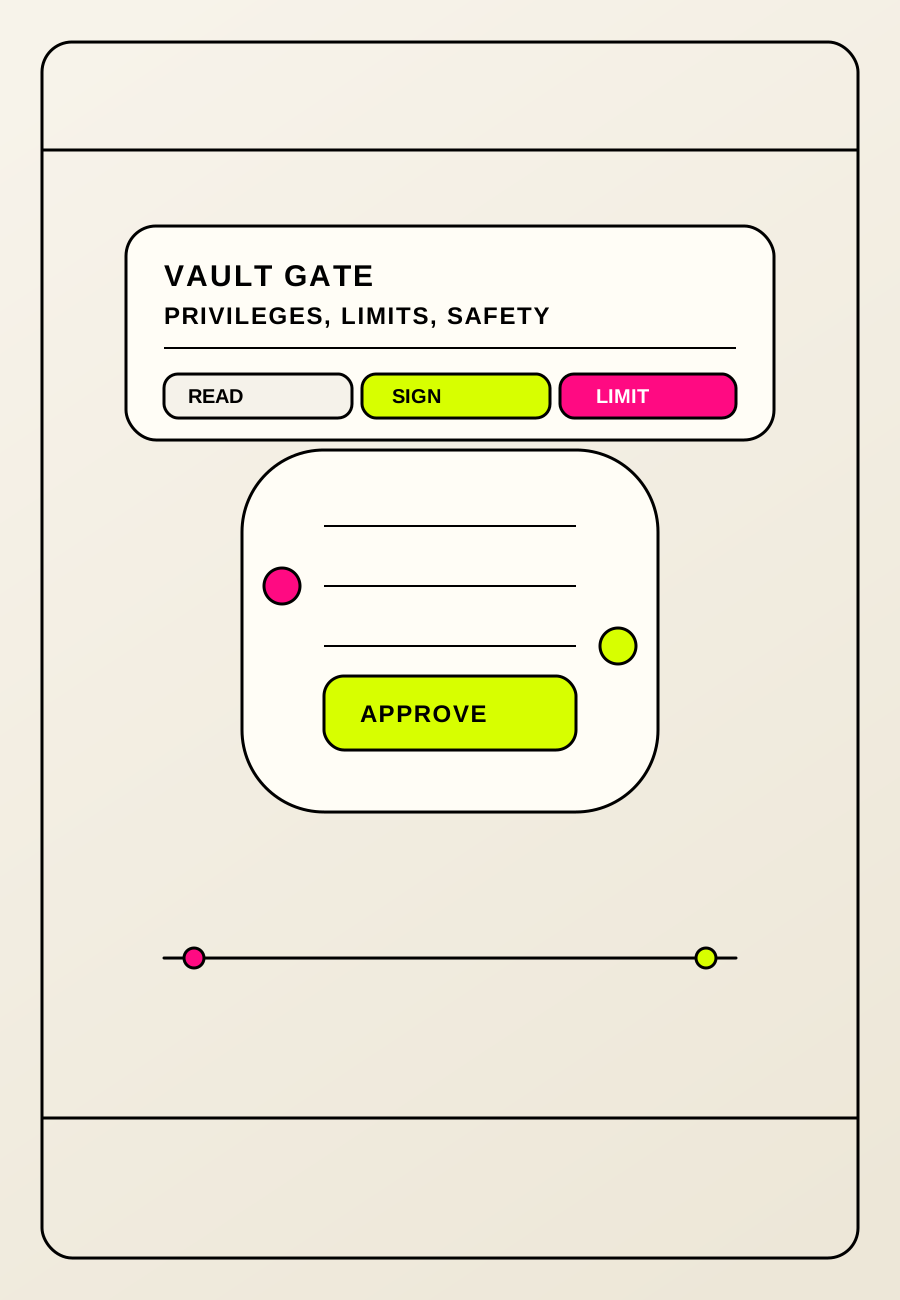
Session state, connector identity, and chain context stay coherent across agents so teams can move quickly without losing control.
Read protocol note ->Receive access notes, release drops, and early wallet integrations.